
Welcome Redvo Insurance Solutions
Welcome Redvo Insurance Solutions
Call Us Now
+1800-411-0733
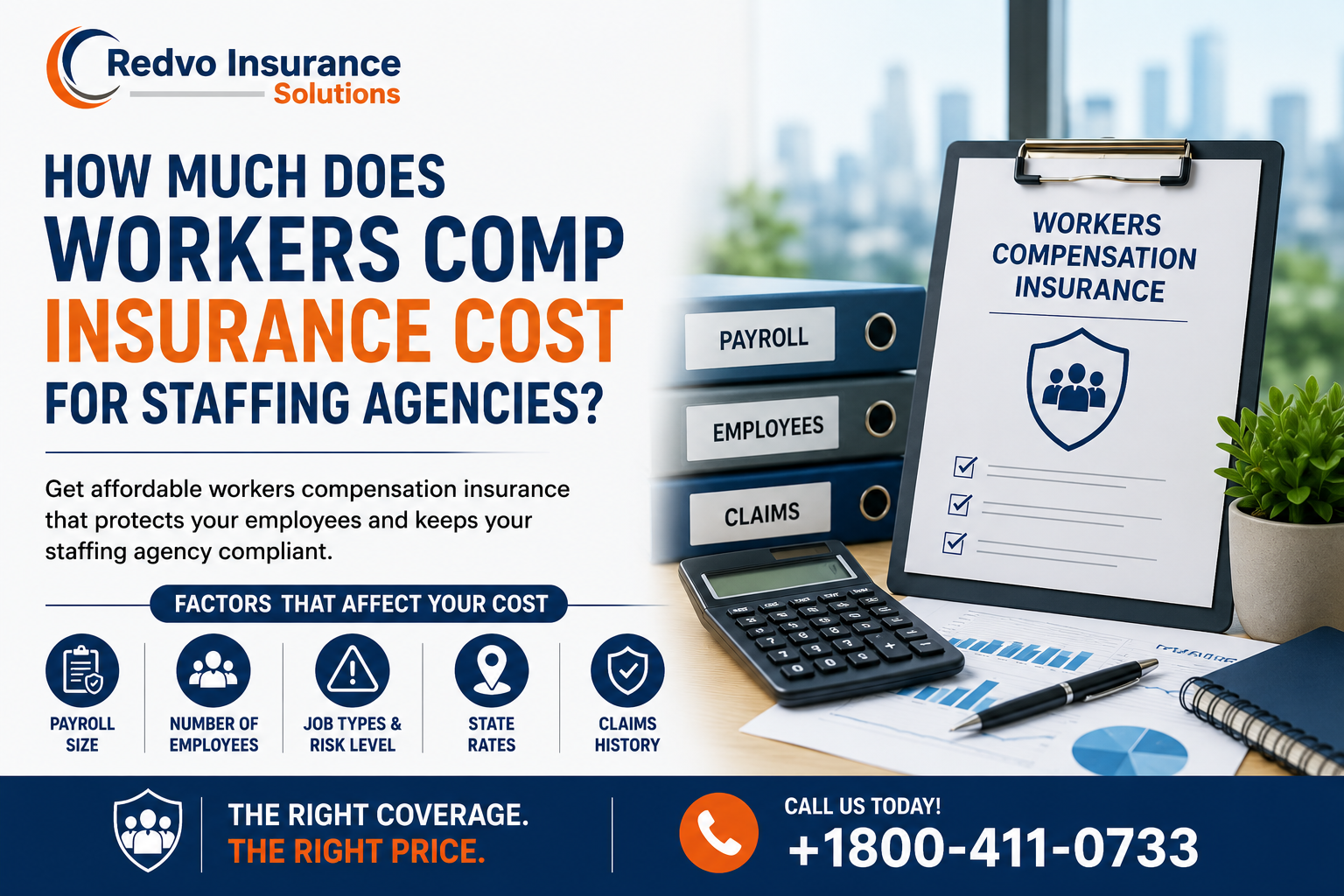
Workers comp insurance is an important expense for staffing agencies. However, the cost does not follow one fixed price. Your staffing agency workers compensation insurance cost depends on several factors. These factors include payroll, employee duties, job classifications, claims history, state rules, and workplace risks.
A staffing agency that places office workers may pay less than an agency placing warehouse or construction workers. The type of work performed by employees can strongly affect insurance rates. Staffing agencies also face unique risks because employees often work at client locations. The staffing company may employ the worker while the client manages daily work activities.
Redvo Insurance Solutions has 15+ years of experience helping businesses understand their insurance needs. Our trusted approach focuses on practical guidance, accurate information, and coverage solutions designed around each business.
There is no single average cost that applies to every staffing agency. The staffing agency workers compensation insurance cost can vary significantly based on the type of employees you place.
An agency providing administrative workers usually has different risks than an agency providing warehouse, manufacturing, healthcare, driving, or construction workers.
Workers compensation pricing commonly considers payroll and the classification assigned to the work performed. Higher-risk work can have higher rates than lower-risk work. For this reason, staffing agencies should avoid using another company's premium as their expected cost. Instead, insurance costs should be evaluated using the agency's own business information.
Important factors include:
Annual payroll
Employee job duties
Workers compensation classifications
Claims history
Experience modification
Employee locations
Client industries
State requirements
Insurance carrier pricing
Staffing agencies can also experience changes during the policy year. A new client can increase payroll quickly. Seasonal hiring can also increase the number of temporary employees. These changes can affect the agency's overall workers compensation exposure.
Many business owners ask, how is workers comp calculated for staffing agencies?
A simplified workers compensation calculation can look like this:
The simplified calculation would be:
Class codes are used to identify different types of work. A clerical employee may have a different classification from a warehouse employee. A construction worker can have a different classification from a receptionist. This difference matters because each classification can have its own workers comp rate.
Staffing agencies should describe employee duties accurately. Using an incorrect classification can result in inaccurate premiums. It can also create problems during a premium audit.
An experience modification factor can affect the amount a business pays for workers compensation. The factor considers qualifying loss experience under applicable rating rules.
A lower experience modification can help reduce the premium. A higher modification can increase the premium. The exact experience rating rules depend on the state and the business's eligibility. Therefore, staffing agencies should monitor workplace injuries and maintain strong claims management practices.
Several factors affect staffing agency workers comp rates. Understanding these factors can help staffing agencies make better insurance decisions.
The temporary staffing workers comp cost depends on the type of temporary employees being placed. Temporary work does not automatically mean lower workers compensation costs. Consider two staffing placements.
Staffing agency workers comp premiums are generally influenced by payroll and applicable workers compensation classifications. Experience modification and other pricing factors can also affect the final premium. Before providing a quote, an insurance carrier may request detailed information about the staffing business.
This information may include:
Accurate information helps insurers understand the agency's actual risk. It can also help reduce problems caused by incorrect assumptions.
A workers compensation premium audit compares estimated policy information with actual information. The insurer may review actual payroll and employee classifications.
Suppose a staffing agency estimated $1 million in payroll. Later, the agency's actual payroll reaches $1.5 million.
The final premium may need adjustment based on the actual exposure and applicable policy rules. The reverse can also happen if actual payroll is lower than estimated.
Staffing agencies should maintain detailed records.
Useful records include:
Payroll reports
Employee classifications
Job descriptions
Work locations
Client information
Hiring records
Termination records
Claims information
Good records can make the audit process easier. They can also help explain how employees were classified during the policy period.
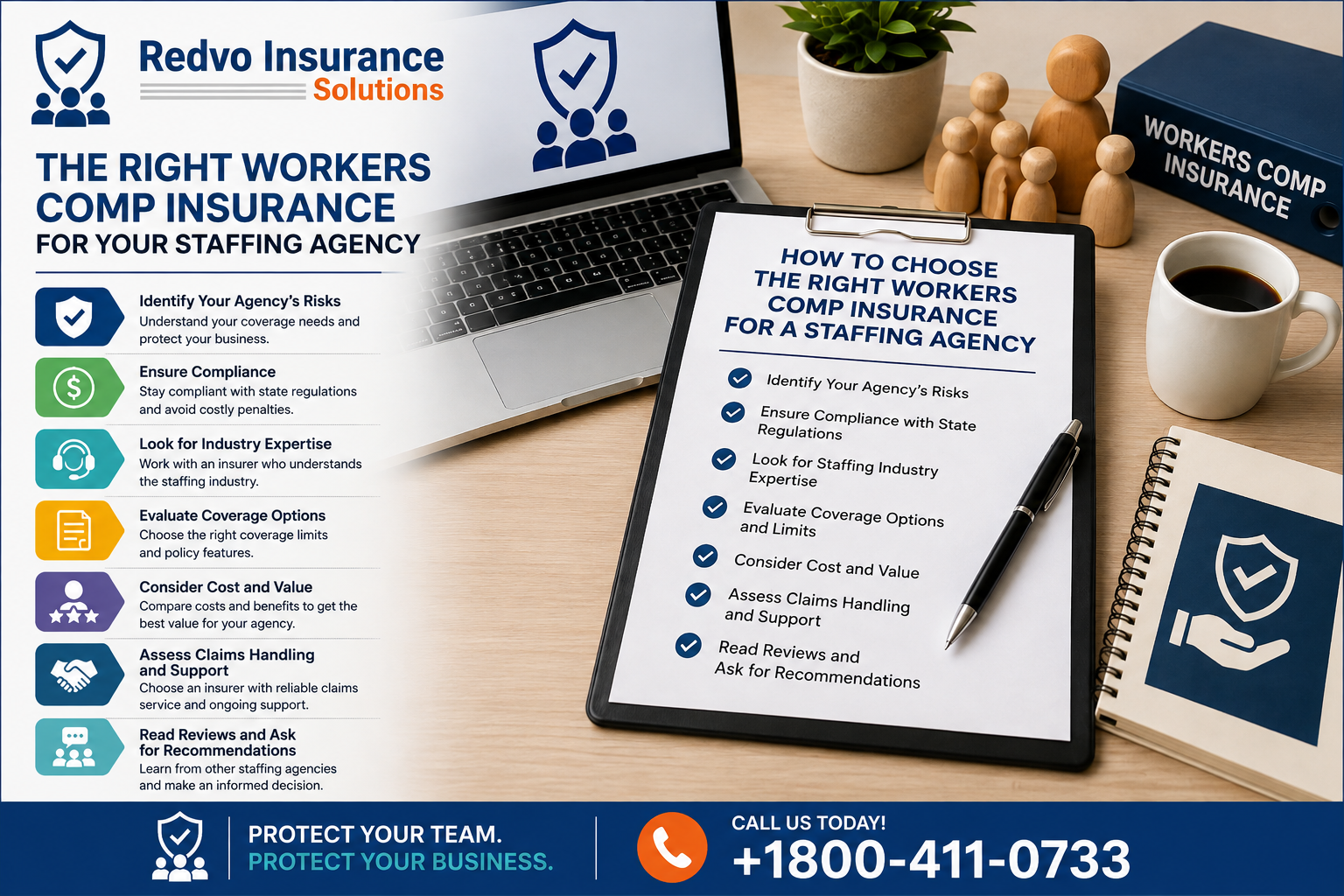
Finding affordable workers comp insurance for staffing agencies should not mean choosing the cheapest policy. The goal should be finding appropriate coverage at a competitive price.
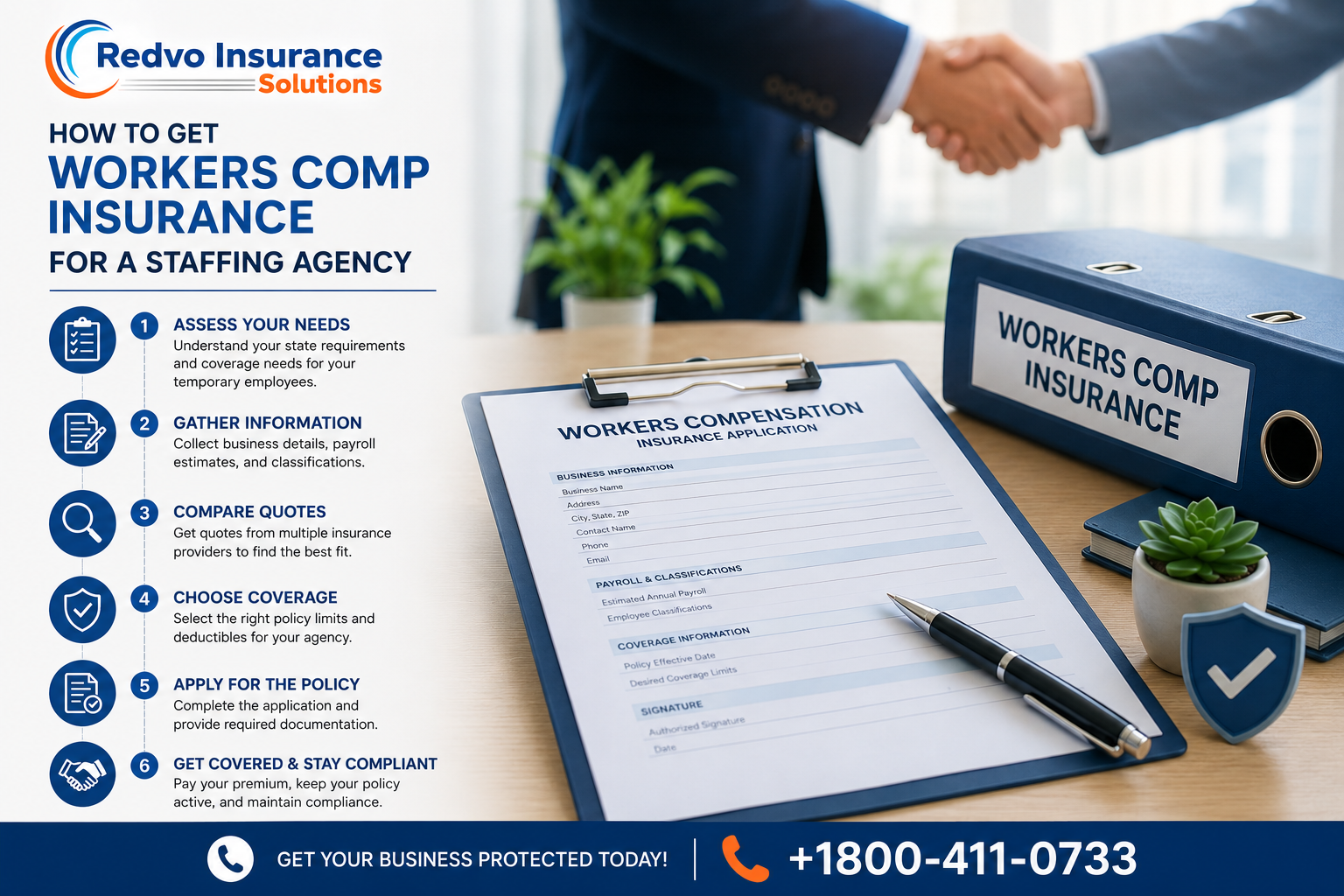
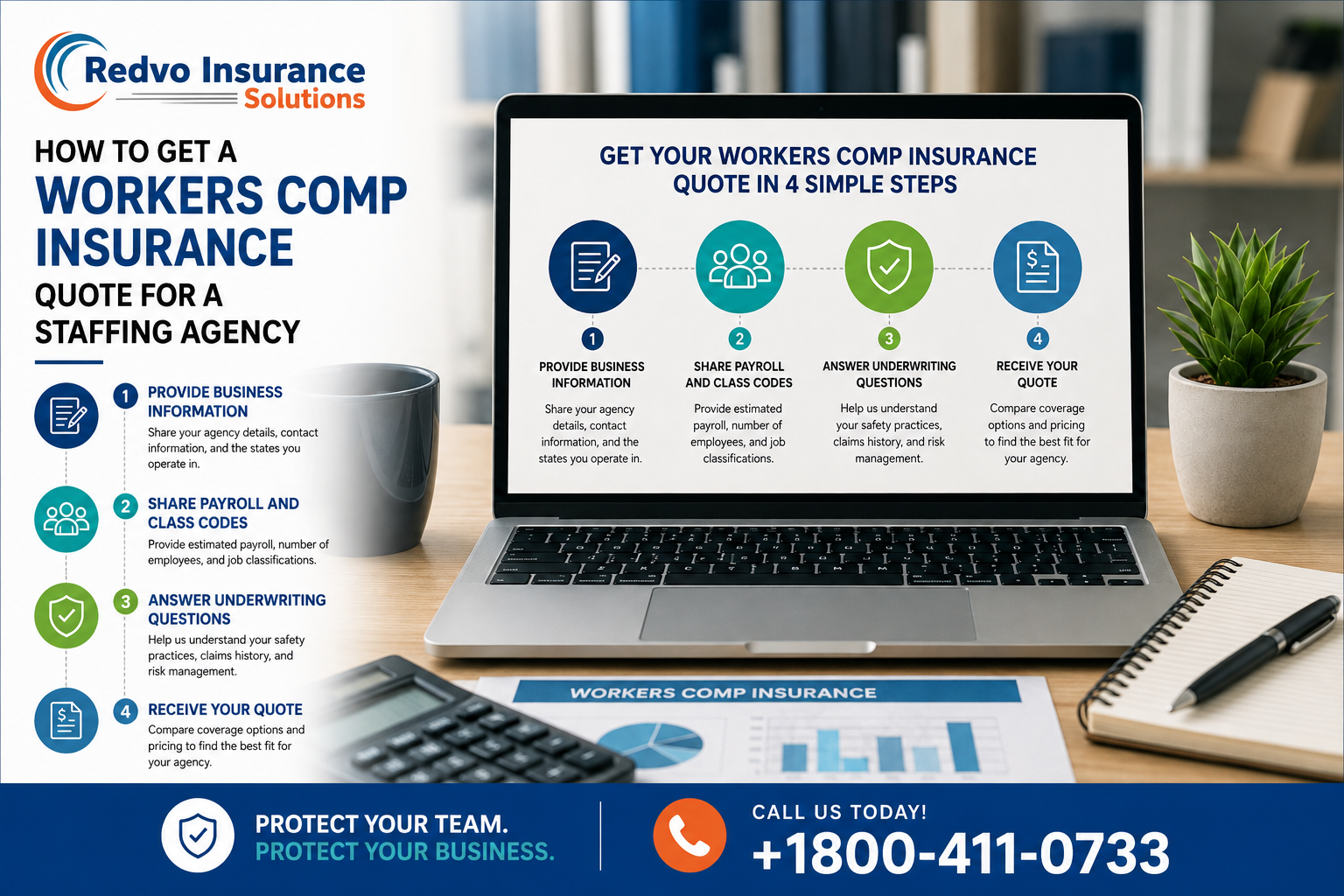
Getting a workers comp insurance quote for staffing agencies starts with accurate business information. Prepare the following information before requesting a quote:
Annual payroll
Number of employees
Employee job duties
Workers compensation classifications
States where employees work
Client industries
Claims history
Current policy information
Experience modification
Business operations
Do not simply say that you provide temporary workers. Explain exactly what types of employees you place. For example, tell the insurance professional whether you provide:
Administrative workers
Warehouse workers
Healthcare workers
Drivers
Manufacturing workers
Construction workers
Hospitality workers
Skilled trade workers
Specific information helps insurers understand your actual exposure.
When comparing a workers compensation insurance quote, do not focus only on the premium.
Review the:
Coverage
Classifications
Payroll assumptions
Policy terms
Payment options
Claims support
Audit requirements
State coverage
Insurance carrier
The cheapest quote is not always the best option for a staffing company.
The best workers comp insurance for staffing agencies should match the company's actual operations. A staffing agency should work with an insurance professional who understands temporary staffing risks.
Staffing agencies should focus on long-term risk management.
Start with accurate employee classifications.
Then improve workplace safety and claims management.
Keep payroll records accurate and review them regularly.
Work with clients to understand job duties before placing employees.
You should also review your client contracts.
Contracts should clearly address workplace responsibilities, safety expectations, and injury reporting procedures. The exact legal responsibilities depend on the state and contractual arrangement.
The cost of workers comp insurance for staffing agencies depends on the agency's actual risk. There is no single price that applies to every staffing company. Payroll, employee classifications, job duties, claims history, experience modification, client worksites, and state requirements can all affect the final premium.
Staffing agencies should not treat every employee as the same risk. An office worker, warehouse employee, healthcare worker, and construction worker can have very different insurance exposures. Accurate classifications and payroll records are therefore essential. Strong safety practices can also help reduce workplace injuries and support better long-term risk management.
Before choosing coverage, compare the premium, classifications, policy terms, claims support, audit procedures, and carrier experience.
Redvo Insurance Solutions has 15+ years of experience helping businesses understand their insurance needs. Our trusted approach focuses on practical guidance and coverage solutions based on your actual business operations.
The right workers compensation strategy can help protect your employees, support your client relationships, and reduce unexpected insurance problems.
There is no fixed price. Costs depend on payroll, job classifications, employee risk, claims history, experience modification, state rules, and insurance carrier pricing.
There is no universal rate. Staffing agency rates vary based on employee duties, classifications, payroll, locations, claims history, and applicable state rating rules.
A basic calculation uses payroll divided by 100, multiplied by the applicable class code rate, and multiplied by the experience modification factor.
Temporary workers perform different jobs. Office, warehouse, healthcare, driving, and construction assignments can have different workplace risks and workers compensation classifications.
Yes. Payroll is a major factor in workers compensation pricing. Higher covered payroll generally creates greater premium exposure when other factors remain unchanged.
Staffing agencies generally need workers compensation coverage for covered employees. Specific requirements depend on state law and the agency's employment arrangement.
Yes. Workers compensation laws, rating systems, classifications, and requirements vary between states. Multi-state agencies should review coverage for each operating state.
Staffing agencies can manage costs through accurate classifications, workplace safety, effective claims management, accurate payroll reporting, and regular insurance reviews.
Prepare payroll, employee duties, classifications, work locations, claims history, and business information. An insurance professional can use this information to evaluate coverage options.
The best option depends on your staffing model, employee risks, states, payroll, claims history, and coverage needs. Compare coverage and service, not price alone.




It is a long established fact that wo will be distracted by the readable content as when looking at its layout.
© 2026 Redvo Insurance Solutions All rights reserved